India Flight Cancellations: Middle East Conflict Grounds Hundreds of Services
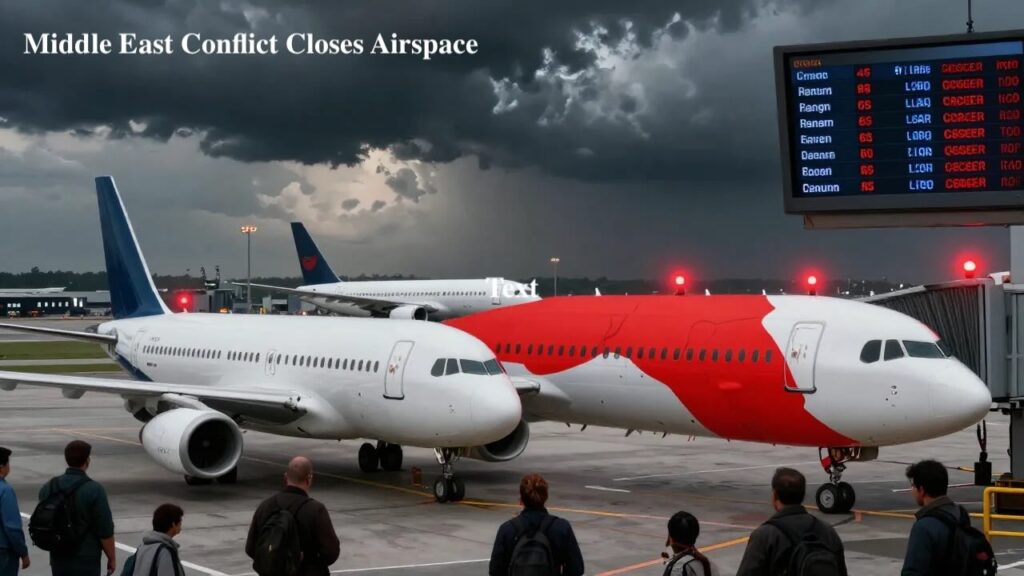
NEW DELHI — Indian travellers face unprecedented disruptions as airlines cancel hundreds of international flights. The India flight cancellations stem from escalating tensions in West Asia, with airspace closures affecting routes to the Middle East, Europe, and North America.
Air India, IndiGo Suspend Major International Routes
As of March 1, 2026, Indian airlines have grounded approximately 444 flights nationwide. This follows nearly 180 cancellations recorded the previous day. Air India has suspended all flights to Middle East destinations, whilst IndiGo and other carriers have halted services to Europe and key Gulf hubs.
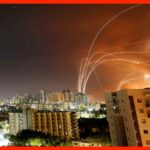
The escalating US-Israel-Iran conflict has forced the closure of airspace over Iran, Iraq, and portions of the Gulf region. Major aviation hubs in the UAE, Qatar, Bahrain, and Kuwait have implemented temporary shutdowns as a precautionary measure.
Middle East Routes Bear Heaviest Impact
Indian carriers have suspended flights to Dubai, Abu Dhabi, Doha, Muscat, Riyadh, Jeddah, and Dammam. The Middle East airspace closure particularly impacts travellers who rely on Gulf hubs for connecting flights to other international destinations. Therefore, both direct services and transit passengers face significant delays.
Air India Express and Akasa Air have joined Air India and IndiGo in suspending West Asian operations. However, airlines are monitoring the situation closely for potential resumptions when safety permits.
European and North American Services Severely Disrupted
Major European cities including London, Frankfurt, Paris, Amsterdam, Zurich, Milan, Vienna, Copenhagen, and Birmingham have seen widespread cancellations. Air India alone cancelled more than 50 Europe-bound flights on March 1, affecting thousands of passengers.
In addition, transatlantic services have been severely impacted. Air India cancelled multiple flights including Delhi-New York, Mumbai-New York, Delhi-Chicago, and Delhi-Toronto routes. As a result, business travellers and tourists face extensive rebooking challenges.
Airlines typically route long-haul flights through Middle Eastern airspace for fuel efficiency. Nevertheless, current closures force carriers to either divert through longer routes or cancel services altogether.
Delhi Airport Records Over 100 International Cancellations
At Indira Gandhi International Airport, over 100 international flights were cancelled on March 1. This includes approximately 60 departures and 40 arrivals. The Air India flight disruptions have affected operations across all terminals.
IndiGo reported significant cancellations at Mumbai, Bengaluru, and Hyderabad airports as well. Globally, the crisis has resulted in over 19,000 flight delays worldwide, with hundreds of cancellations concentrated in the Middle East region.
DGCA Issues High-Risk Zone Advisories
The Directorate General of Civil Aviation (DGCA) has designated portions of the affected region as high-risk zones. Consequently, Indian carriers received advisories to avoid the closed airspace entirely for safety reasons, despite operational and financial costs.
“Airlines are avoiding the restricted airspace to prioritise passenger safety,” stated aviation industry sources. The closures add significant flight time and fuel costs to alternative routes.
What Travellers Should Do Now
Aviation authorities urge passengers to verify flight status directly with airlines or through official airport websites. Conditions change rapidly as the geopolitical situation evolves.
Passengers should anticipate delays, diversions, or cancellations on westbound and international long-haul routes. Furthermore, travellers must contact airlines about rebooking options, refunds, or assistance in accordance with DGCA guidelines and carrier policies.
Industry experts recommend monitoring reliable news sources and official airline communications. The aviation crisis adds to growing concerns about the broader impact of the Middle East conflict on global transportation networks.
Airlines and aviation authorities are coordinating closely to minimise disruptions whilst prioritizing passenger safety. However, the situation remains fluid with potential for further India flight cancellations if airspace restrictions continue.
For real-time updates on specific flights, passengers should check the official DGCA website or contact their respective airline’s customer service directly.