Israel Braces for Early Elections Amid Haredi Draft Crisis and Coalition Turmoil
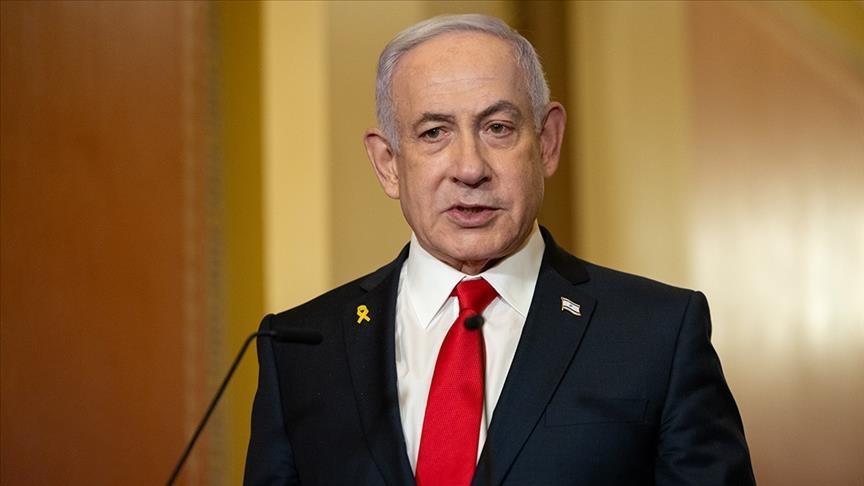
Israel snap elections seem to be imminent as Prime Minister Benjamin Netanyahu’s governing coalition faces mounting pressure from internal divisions, public anger over military service exemptions, and a stalled 2026 state budget. With ultra-Orthodox parties threatening to block budget passage unless draft exemptions are restored, political uncertainty has intensified, raising the possibility of snap polls in spring or summer 2026.
The unfolding crisis has implications beyond coalition arithmetic. It touches on Israel’s core social contract, military readiness amid ongoing conflicts, and the country’s diplomatic posture—particularly its relationship with the United States under President Donald Trump.
Budget Standoff Puts Netanyahu Coalition Under Strain May Lead to Israel Snap Elections
Haredi Parties Hold the Balance of Power
The immediate trigger for the political crisis is the 2026 state budget. Ultra-Orthodox parties Shas and United Torah Judaism, which together hold 18 seats in the 120-member Knesset, have warned they will block the budget unless legislation is passed restoring exemptions from compulsory military service for Haredi men.
On January 25, 2026, the Knesset delayed the first reading of the budget, a move widely interpreted as a signal of deepening coalition instability. Failure to pass the budget would automatically dissolve parliament, forcing early elections.
Netanyahu’s government relies heavily on Haredi support, making the dispute existential for his coalition.
The Haredi Draft Exemption at the Center of the Crisis
Supreme Court Ruling Alters the Status Quo
Israel’s long-standing exemption for ultra-Orthodox men from military service came under renewed scrutiny after the Supreme Court ruled in 2024 that the arrangement violated principles of equality. The ruling mandated enlistment quotas for the Haredi community, which now numbers over 1.2 million people and continues to grow rapidly.
Despite the ruling, successive governments have struggled to legislate an alternative framework acceptable to both secular Israelis and religious parties.
War Fatigue and Rising Public Anger
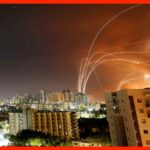
The timing of the dispute has amplified its impact. Israel remains engaged on multiple fronts, including Gaza and Lebanon, placing a heavy burden on reservists—many of whom serve 100 days or more annually.
Public resentment has grown as Haredi youth largely remain outside the draft system. In early January 2026, protests over enlistment notices escalated into violent clashes in Jerusalem, resulting in the death of a soldier. The incident further hardened public sentiment and intensified calls for equal burden-sharing.
Critics also point to economic concerns, citing low workforce participation rates within the ultra-Orthodox community and the long-term strain on public finances.
Opposition Mobilises as Lapid Pushes a Unity Narrative
Lapid’s Bid to Reframe the Election
Opposition leader Yair Lapid, head of the centrist Yesh Atid party, has moved swiftly to consolidate opposition forces. On January 25, Lapid announced efforts to coordinate among rival parties, presenting himself as a defender of a “Jewish and democratic Israel.”
Lapid has criticised Netanyahu’s handling of the Gaza and Lebanon conflicts, the stalled ceasefire efforts, and what he describes as excessive concessions to religious parties. He has framed the draft exemption issue as a matter of national fairness, particularly for reservists and middle-class families.
Recent opinion surveys indicate Lapid’s bloc could approach or exceed 60 seats, potentially enough to form a government in Israel’s fragmented political landscape.
Netanyahu’s Strategy and the Trump Factor
Timing Elections for Maximum Advantage
Netanyahu is widely believed to be considering snap elections before the statutory deadline of October-November 2026 to regain political initiative. National holidays such as Independence Day could provide a backdrop for rallying nationalist sentiment.
A potential visit by US President Donald Trump is also viewed as a strategic asset. Netanyahu’s close ties with Trump, underscored by meetings at Mar-a-Lago around the start of 2026, could reinforce his image as Israel’s indispensable security leader.
Risks Within the Right-Wing Bloc
However, calling early elections carries risks. A breakdown with Haredi allies could fracture the right-wing camp, while a Lapid-led government could push through draft reforms, reduce welfare benefits linked to non-service, and curb ultra-Orthodox political influence.
Broader Implications for Israel and Its Allies
The outcome of a snap election could reshape Israel’s domestic and foreign policies. A Netanyahu victory may entrench judicial reforms and settlement expansion, potentially straining relations with progressive factions in the US. A Lapid-led government could pursue broader coalition governance, renewed diplomacy, and institutional reforms.
With reservist petitions mounting, street protests continuing, and the budget clock ticking, Israel faces a defining political moment. Whether Netanyahu’s gamble restores his dominance or brings his long tenure to an end remains uncertain—but the stakes for Israel’s democratic and social balance are unmistakably high.