EU’s GSP Withdrawal Tightens Trade Screws on India Ahead of FTA Deal
A Second Trade Shock as the EU Summit Nears
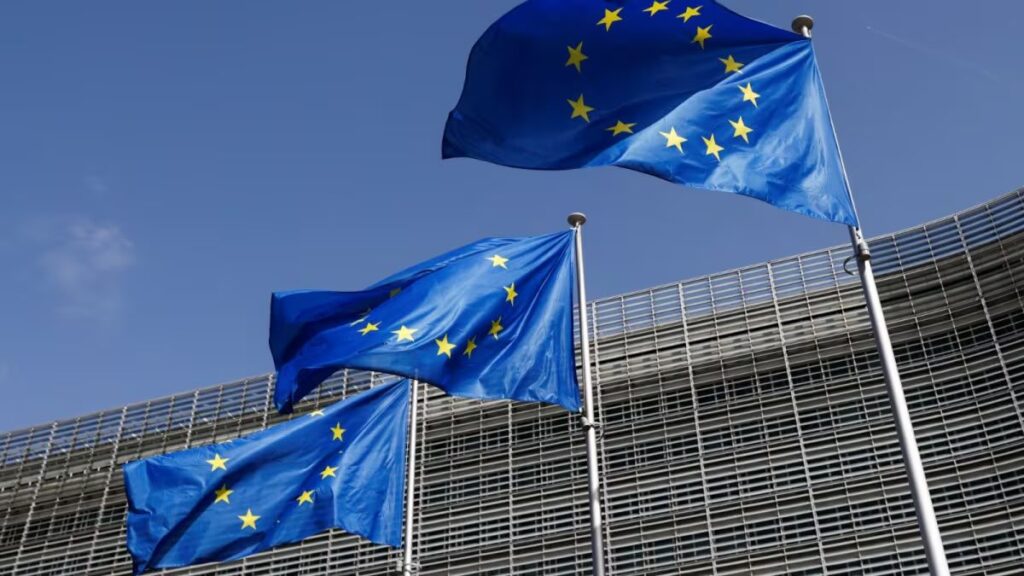
India has encountered fresh trade headwinds from Europe at a politically sensitive moment. Just as expectations build around a possible announcement on the India–EU Free Trade Agreement at the January 26–27 summit in New Delhi, the European Union has suspended import duty exemptions for Indian goods under its Generalised System of Preferences.
The move comes against the backdrop of renewed global trade uncertainty. India is already navigating tariff pressures from the United States following recent protectionist signals from Washington. The EU’s decision therefore lands as a second external shock, tightening conditions for Indian exporters precisely when strategic optimism had peaked.
The suspension, effective from January 1, 2026, will remain in force until December 31, 2028 and has been formally notified in the EU’s Official Journal following a European Commission regulation adopted on September 25, 2025.
What the EU Has Withdrawn
The withdrawal of GSP benefits applies to a wide range of Indian exports. Products affected include mineral chemicals, plastics, iron and steel, rubber, textiles and apparel, pearls and precious metals, motor vehicles, machinery, and electrical equipment.
As a result, nearly 87 per cent of Indian exports to the EU will now fall outside the GSP framework and be subjected to full Most Favoured Nation duties. Estimates suggest that exports worth around $1.95 billion will be directly affected in the immediate phase.
Similar GSP suspensions have also been notified for countries such as Indonesia and Kenya, underscoring that the measure reflects a broader EU policy recalibration rather than an India-specific sanction.
GSP Versus MFN: Why It Matters
Under the GSP regime, Indian exporters benefited from reduced tariff rates compared to the standard MFN structure. In practical terms, a product attracting a 12 per cent duty under MFN could enter the EU at a concessional rate of around 9.6 per cent under GSP.
That differential often proved decisive in competitive markets. With the suspension now in place, exporters must absorb full MFN duties, narrowing margins and weakening price competitiveness against rivals who continue to enjoy preferential access.
For labour-intensive sectors operating on tight cost structures, this shift is more than a technical adjustment. It directly alters market viability.
Industry Voices Warn of Competitive Erosion
Export bodies and trade experts have expressed concern over the scale of the impact. Ajay Sahai, Executive Director of the Federation of Indian Export Organisations, has pointed out that the withdrawal effectively eliminates an average tariff advantage of around 20 per cent that Indian exporters previously enjoyed.
Trade analysts warn that higher tariffs will intensify pressure on profitability while eroding India’s edge against competitors such as Bangladesh and Vietnam, particularly in textiles and apparel.
Economic commentators have also highlighted the strategic timing. As India enters the final phase of FTA negotiations, the suspension alters the balance of leverage, placing Indian exporters in a more vulnerable near-term position.
CBAM and the Compounding Effect
The GSP suspension does not occur in isolation. It coincides with the rollout of the European Union’s Carbon Border Adjustment Mechanism, which introduces climate-linked levies on carbon-intensive imports.
Ajay Srivastava of the Global Trade Research Initiative has cautioned that the overlap of GSP withdrawal and CBAM implementation could significantly raise costs for Indian exporters before any FTA benefits materialise. According to him, even with political momentum, it could take a year or longer for an India–EU FTA to move from signing to effective implementation.
During this interim phase, exporters will face higher tariffs, additional compliance burdens, and reduced competitiveness in an already fragile global trade environment.
Trade Ties in Perspective
Despite the immediate disruption, India–EU economic ties remain substantial. The European Union is India’s largest trading partner grouping. In 2024, bilateral goods trade reached €141.93 billion, accounting for 11.5 per cent of India’s total trade.
Trade volumes have grown by nearly 90 per cent over the past decade. EU foreign direct investment stock in India stood at €165.59 billion in 2023, with around 6,000 European companies operating across the Indian economy.
These figures underline why both sides continue to pursue a comprehensive trade agreement despite periodic friction.
Pressure or Precursor to Closure
Viewed narrowly, the EU GSP suspension appears as a setback at an awkward diplomatic moment. Viewed strategically, it reflects a transition in Europe’s trade posture. The EU increasingly sees India as a mature economic partner rather than a preference-dependent beneficiary.
The suspension creates a compressed window in which the proposed FTA must deliver tangible relief. Failure to bridge that gap risks prolonged exposure to higher tariffs and climate-linked trade barriers.
As EU leaders arrive in New Delhi as Republic Day chief guests, the message is unmistakable. The era of unilateral concessions is ending. What follows depends on whether both sides can convert negotiation fatigue into political closure.