C-295 Assembly in Vadodara by 2026: A Step Forward in India’s Defence Production
A Symbolic Rollout with Strategic Weight
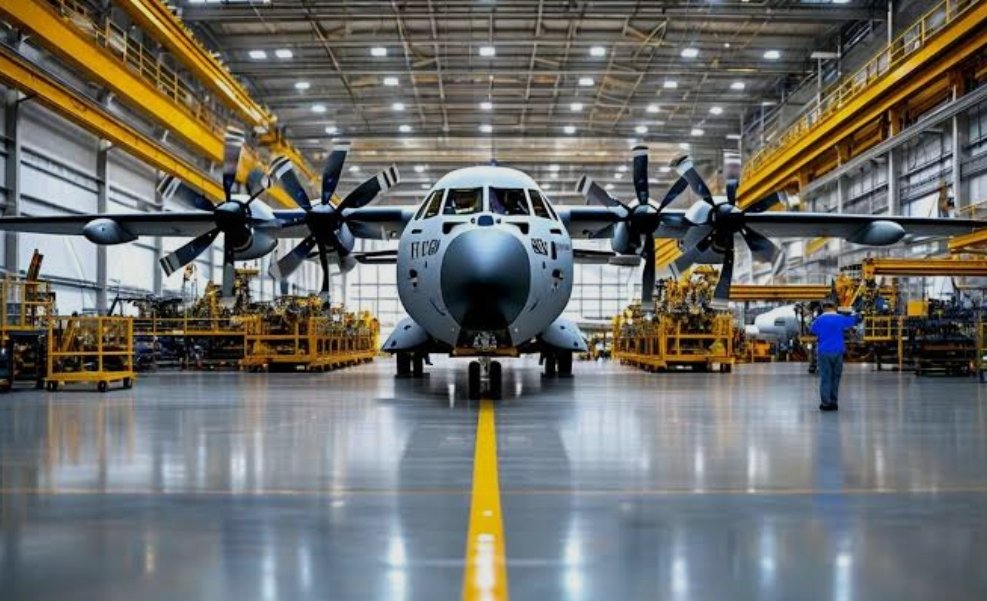
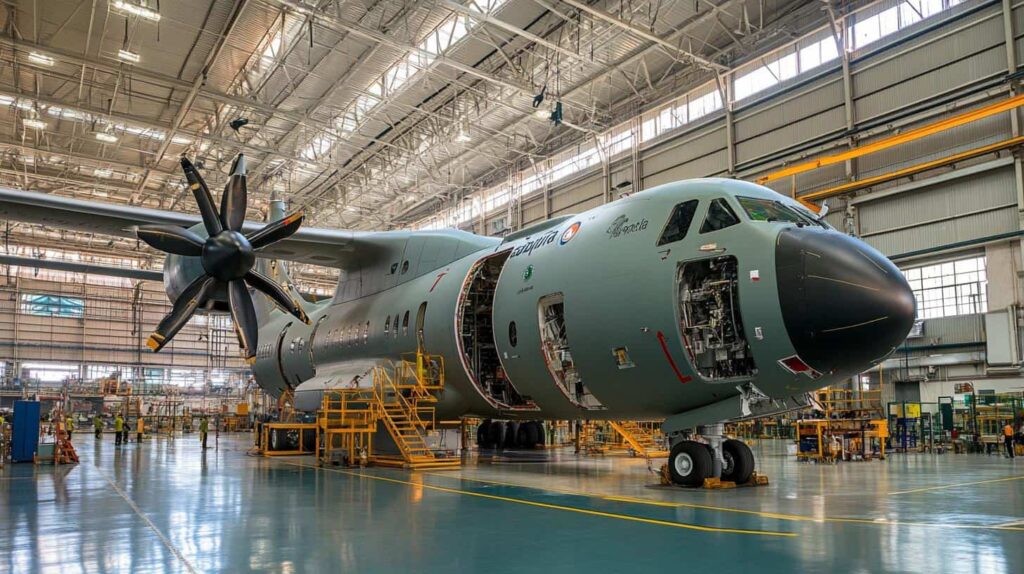
India is set to cross a long-awaited milestone in defence manufacturing when India’s C-295 Aircraft, the first military transport aircraft assembled on Indian soil, rolls out of the Tata-Airbus facility in Vadodara before September 2026. The announcement, made by External Affairs Minister S. Jaishankar during talks with Spain’s foreign minister, marks more than the delivery of another aircraft—it represents India’s most ambitious private-sector entry into military aviation manufacturing.
Yet, behind the symbolism lies a more nuanced reality. While the program strengthens industrial capacity and supply chains, it also raises critical questions about what “self-reliance” truly means in modern defence ecosystems.
How India Arrived at the C-295 Decision
The C-295 program originates from a ₹21,935 crore contract signed in 2021 for 56 aircraft to replace the Indian Air Force’s ageing Avro HS-748 fleet. The agreement split deliveries between Spain and India, ensuring immediate operational readiness while creating a domestic manufacturing base.
Sixteen aircraft were built and delivered directly from Airbus’ Seville facility, with the final unit arriving by August 2025. The remaining forty aircraft will be assembled in Vadodara, making it India’s first private-sector final assembly line for military aircraft.
The facility itself was inaugurated in October 2024 by Prime Minister Narendra Modi and Spanish Prime Minister Pedro Sánchez, underscoring the political importance attached to the project.
Where the India’s C-295 Aircraft Comes From
The C-295 is a Spanish-designed tactical transport aircraft developed by CASA in the 1990s and later absorbed into Airbus Defence and Space. Entering service in 2001, it evolved from the CN-235 platform with improved payload, range, and avionics.
Powered by Pratt & Whitney Canada turboprop engines, the aircraft is designed for short take-off and landing operations, allowing it to operate from semi-prepared and remote airstrips. For India, this capability is critical in mountainous, island, and border regions.
While Indian-specific configurations include locally sourced electronic warfare systems, Airbus retains full design authority and intellectual property—an important distinction when assessing claims of indigenisation.
How the Manufacturing Model Works
Phased Assembly, Not Co-Development
The C-295 program follows a phased localisation model rather than joint development. Airbus remains the design owner and certification authority, while Tata Advanced Systems leads assembly, integration, and testing in India.
Indigenous content begins at roughly 48 percent and is projected to rise to nearly 75 percent by value in later aircraft, with more than 13,000 components manufactured domestically. Structural work accounts for the bulk of localisation, while engines, core avionics, and critical systems continue to be imported.
This approach accelerates industrial learning but does not confer technological sovereignty in the way indigenous design programs do.
The C-295, in contrast, is a licensed manufacturing arrangement where Airbus retains control over design evolution and certification.
More Than Just a Transport Aircraft
Despite the industrial debate, the aircraft itself significantly enhances the IAF’s operational flexibility.
The C-295 supports troop transport, logistics, medical evacuation, disaster relief, and surveillance roles. Its modular design allows rapid reconfiguration for maritime patrol, intelligence gathering, firefighting, and search-and-rescue missions.
For India, frequently responding to natural disasters and operating across varied terrain, this multi-role capability makes the aircraft a practical and cost-effective choice.
How It Compares India’s C-295 Aircraft Globally
In the tactical transport category, the C-295 occupies a balanced middle ground. It is smaller and cheaper than heavy platforms like the C-130J, yet more capable than legacy light transports. Competing aircraft from Brazil, Italy, China, and Ukraine offer different trade-offs in payload, cost, and infrastructure requirements.
India’s choice reflects operational needs rather than prestige—a pragmatic decision aligned with fleet modernisation goals.
Strategic Implications: Incremental, Not Transformational
Strategically, the C-295 program strengthens India’s defence industrial base, reduces maintenance dependencies, and diversifies international partnerships beyond traditional suppliers.
It also signals to global manufacturers that India is ready for large-scale aerospace manufacturing—an essential step for future programs in helicopters, unmanned systems, and eventually indigenous transport aircraft.
However, true autonomy will still depend on parallel investments in design, engines, and materials science—areas this program does not directly address.
What Comes Next After 2031
Once all forty aircraft are delivered by 2031, the Vadodara facility could evolve into an export hub or support future Airbus variants. Success here will depend on cost competitiveness, quality control, and sustained policy support.
More importantly, lessons learned from this project could shape how India structures future defence partnerships—balancing speed, sovereignty, and scale.
A Necessary Step, Not the Final Destination
The C-295 rollout from Vadodara is undeniably a milestone. It strengthens India’s aerospace manufacturing ecosystem, modernises the IAF, and deepens strategic partnerships with Europe.
But it is not the endpoint of self-reliance—it is a bridge. One that leads from dependence to capability, but only if followed by genuine indigenous design programs. The real test of Atmanirbhar Bharat will lie not in assembly lines, but in drawing boards.