Discovering the Gateway to Sabah
Few destinations in Southeast Asia manage to blend tropical islands, ancient rainforests, towering mountains, vibrant markets, rich indigenous cultures, and spectacular sunsets as effortlessly as Kota Kinabalu. Perched along the northwestern coast of Borneo, this relaxed waterfront city is the capital of Sabah, Malaysia’s second-largest state, and the perfect gateway to one of Asia’s most diverse natural landscapes.
Unlike many destinations that demand travellers choose between beaches, mountains, or cultural experiences, Kota Kinabalu offers all three within easy reach. One day you can snorkel among colourful coral reefs in crystal-clear waters, the next wander through traditional tribal villages or stand at the foot of Malaysia’s highest mountain. Finish the evening watching the sun disappear into the South China Sea, and you’ll quickly understand why many visitors end up extending their stay.
My connection with Sabah goes beyond a typical holiday. Between 2008 and 2017, while living in Malaysia and working on several industrial and oil & gas projects, I had the opportunity to travel extensively across the country. Sabah became one of my favourite destinations, and over multiple visits, ranging from short business trips to leisurely family vacations, I discovered that Kota Kinabalu is much more than a convenient transit point for Mount Kinabalu. It is a destination worthy of exploration in its own right.
Formerly known as Jesselton during British colonial rule, Kota Kinabalu developed as an important trading port for rubber and timber. The city was almost completely destroyed during the Japanese occupation and Allied bombing in the Second World War before being rebuilt and officially renamed Kota Kinabalu in 1968 after the majestic Mount Kinabalu, which dominates Sabah’s skyline on clear mornings.
Today, the city presents an attractive blend of modern Malaysia and traditional Bornean culture. Chinese temples stand alongside colonial landmarks, bustling seafood markets overlook luxury hotels, and indigenous traditions continue to shape everyday life. Better still, everything is remarkably accessible, making Kota Kinabalu an ideal destination for first-time visitors to Malaysian Borneo.
If you have a week to spend in Sabah, the following itinerary offers an excellent balance of city life, nature, culture, adventure, and relaxation.

Day 1: Exploring Kota Kinabalu: History, Markets and Sunsets
The best way to experience Kota Kinabalu is simply to slow down and absorb its atmosphere. Unlike Kuala Lumpur or Singapore, life here moves at a gentler pace. The city is compact enough to explore comfortably while still offering plenty to discover.
If your visit falls on a Sunday, begin your morning at the famous Gaya Street Sunday Market, one of Sabah’s most popular weekend attractions. Operating from early morning until around noon, the market transforms an otherwise quiet street into a lively celebration of local culture. Hundreds of stalls sell everything from handmade crafts and traditional textiles to local snacks, tropical fruits, orchids, antiques and souvenirs.
Unlike commercial shopping malls, Gaya Street offers an authentic glimpse into local life. Residents shop alongside tourists, street musicians entertain visitors, and the aroma of freshly prepared Malaysian breakfast dishes fills the air. Even if you have no intention of buying anything, wandering through the market for an hour or two is an experience in itself.
(Outside Sundays, Gaya Street remains active with cafés, restaurants and shops, but the famous open-air market is primarily a Sunday event.)
From Gaya Street, continue to the Sabah State Museum, only a short drive away. This museum provides one of the best introductions to Sabah’s remarkable diversity. Its galleries cover indigenous cultures, natural history, archaeology and colonial heritage, while the Heritage Village showcases traditional homes representing many of Sabah’s ethnic communities.
Understanding Sabah’s cultural richness before exploring the rest of the state adds valuable context to everything that follows during your journey.
Next, travel back in time with a visit to the Atkinson Clock Tower, the oldest surviving structure in Kota Kinabalu. Built in 1905 in memory of Francis George Atkinson, the first District Officer of Jesselton, it remains one of the few colonial landmarks to survive the destruction of World War II. Standing quietly on a small hill overlooking the city, the tower serves as a reminder of Kota Kinabalu’s remarkable resilience.
Just a short uphill walk leads to the Signal Hill Observatory Platform, where visitors are rewarded with panoramic views across the city skyline, the South China Sea and the islands of the Tunku Abdul Rahman Marine Park. On clear days, the contrast between the sparkling blue waters and the distant green islands creates one of the city’s finest photo opportunities.
By lunchtime, numerous cafés and local restaurants around the city centre offer excellent opportunities to sample Sabahan cuisine. Fresh seafood naturally dominates many menus, but visitors should also try local favourites such as laksa, nasi lemak, satay and freshly prepared tropical fruit juices.

The afternoon is ideal for a leisurely stroll along the Kota Kinabalu Waterfront. Fishing boats, ferries and pleasure craft share the harbour while cafés and restaurants overlook the sea. Although modern developments have transformed much of the waterfront, it still retains the relaxed charm that distinguishes Kota Kinabalu from larger Asian cities.
As the day progresses, head towards the Filipino Market, one of Sabah’s best-known shopping destinations. Despite its name, the market has long evolved into a multicultural bazaar where visitors can browse handicrafts, woven baskets, pearls, local artwork, dried seafood, spices and countless souvenirs.

If you’re interested in pearl jewellery, the market offers attractive designs at reasonable prices. However, buyers should remember that many items are intended as souvenirs rather than certified natural pearls. Purchase them for their beauty rather than investment value.
Practical Tip: while shopping malls widely accept international credit cards, many stalls at Gaya Street and the Filipino Market still prefer cash. Having sufficient Malaysian Ringgit on hand makes shopping much easier.

As evening approaches, take a short Grab ride to Tanjung Aru Beach, widely regarded as one of Malaysia’s finest urban sunset locations. There is something almost magical about watching the sun slowly sink below the horizon as the sky changes through brilliant shades of gold, orange and crimson. Locals gather with families, photographers set up their tripods, children play along the shoreline, and visitors simply sit back to enjoy one of nature’s finest daily performances.
After sunset, return to the waterfront for dinner. Seafood restaurants come alive after dark, serving everything from giant prawns and mud crabs to grilled fish caught only hours earlier. Even if seafood isn’t your preference, the city’s growing international dining scene ensures there is something for every taste.
The first day in Kota Kinabalu perfectly introduces what makes Sabah so appealing—a harmonious combination of history, culture, cuisine and unforgettable coastal scenery.
Day 2: Experience Sabah’s Indigenous Heritage and Magical River Safaris
After exploring the city, it’s time to discover the cultural traditions that have shaped Sabah for centuries.
Approximately 30 minutes from Kota Kinabalu lies the Mari-Mari Cultural Village, one of the state’s most immersive cultural attractions. Rather than functioning as a conventional museum, the village recreates the traditional lifestyles of several indigenous communities, allowing visitors to experience how these tribes lived long before modern development reached Borneo.
Guided tours take visitors through authentic traditional houses belonging to communities such as the Kadazan-Dusun, Murut, Rungus, Bajau and Lundayeh. Along the way, local guides demonstrate age-old survival skills, including fire-making using bamboo, blowpipe hunting techniques, traditional cooking methods and the preparation of local rice wine.
One of the highlights is interacting directly with community members rather than simply observing displays. Traditional dances performed at the conclusion of the tour provide an entertaining glimpse into Sabah’s rich cultural heritage.
Allow three to four hours for the experience, including lunch if you book one of the popular guided packages departing from Kota Kinabalu.
The afternoon offers an entirely different adventure.
Sabah’s mangrove ecosystems are among the richest wildlife habitats in Southeast Asia, and a river cruise provides an excellent opportunity to observe proboscis monkeys, long-tailed macaques, silver leaf monkeys, kingfishers, hornbills and numerous other bird species in their natural environment.
Several operators offer river safaris, with the three most popular destinations being Klias Wetlands, Weston Wetlands, and Kawa-Kawa River.
Among these, Klias Wetlands generally provides the most rewarding wildlife experience and is particularly famous for its spectacular evening firefly displays. Thousands of tiny lights illuminate the mangrove trees after sunset, creating one of Sabah’s most enchanting natural spectacles.
However, travellers should note that Klias requires a longer drive from Mari-Mari Cultural Village. If time is limited, Kawa-Kawa River offers a more convenient alternative while still providing excellent wildlife sightings and beautiful sunset cruises.
Whichever river safari you choose, the experience offers a fascinating contrast to the modern city explored just a day earlier, reminding visitors that some of Borneo’s greatest treasures remain untouched by urban development.

Islands, Mountains and Luxury Amid Nature
Day 3: Island Hopping in Tunku Abdul Rahman Marine Park
No visit to Kota Kinabalu is complete without spending a day on the turquoise waters of the Tunku Abdul Rahman Marine Park (TAR Marine Park). Located just 3-8 kilometres off the city’s waterfront, this protected marine park consists of five tropical islands surrounded by vibrant coral reefs, making it one of Malaysia’s most accessible island destinations.
Named after Malaysia’s first Prime Minister, the marine park covers nearly 50 square kilometres of protected sea, coral reefs and islands. What makes it particularly appealing is that within just 15 to 20 minutes by speedboat, visitors can leave behind the city’s skyline and find themselves surrounded by crystal-clear waters teeming with marine life.
Having visited these islands more than once, I would recommend dedicating an entire day to the experience rather than trying to squeeze it into a half-day excursion. Each island has its own character, and choosing the right one depends on what you enjoy most.
Manukan Island remains the most developed and is an excellent choice for first-time visitors. It offers clean beaches, changing facilities, cafés, walking trails and some of the best swimming spots in the park. Families and casual snorkellers usually find Manukan to be the most comfortable option.
Sapi Island is arguably the park’s liveliest destination. Its shallow coral reefs attract snorkellers of all skill levels, while adventure seekers can experience the famous Coral Flyer Zipline, one of the world’s few island-to-island ziplines stretching between Sapi and Gaya Islands. During low tide, a sandbank even appears between the two islands, creating an unusual opportunity to walk across shallow waters.
Those looking for a quieter atmosphere should consider Mamutik Island, the smallest and nearest island to the mainland. Despite its modest size, it offers excellent snorkelling and generally attracts fewer visitors than Sapi or Manukan.
Gaya Island, the largest island in the marine park, is covered by dense rainforest and offers several hiking trails, secluded beaches and luxury resorts. While parts of the island remain outside the protected park boundaries due to local settlements, its western coastline still provides outstanding opportunities for nature walks, birdwatching and snorkelling.
The least visited is Sulug Island, whose relative isolation rewards visitors with a far more peaceful environment. If solitude matters more than facilities, Sulug is worth considering.
Planning Your Visit
One of the biggest advantages of TAR Marine Park is that you don’t need to join an organised tour. Simply make your way to Jesselton Point Ferry Terminal, the departure point for all public boats serving the islands. Ferry services operate throughout the day, generally between 8:00 AM and 4:00 PM, allowing considerable flexibility.
Round-trip boat tickets typically cost RM 30-55 per person, depending on how many islands you intend to visit. Multi-island hopping packages are readily available and represent good value if you want to experience more than one island in a single day.
Visitors must also pay the Sabah Parks conservation fee, currently around RM 25 for international adults, while Malaysian citizens pay a lower rate. The fee is paid only once per day regardless of how many islands you visit.
If you plan to snorkel—and you absolutely should—equipment rental usually costs RM 10-20, while life jackets are normally included with your boat ticket.
Organised island tours remain an excellent choice for families or travellers who prefer a hassle-free experience. These packages often include hotel transfers, ferry tickets, snorkelling equipment, lunch and guides.
A Few Practical Tips
The boat ride itself can be surprisingly exciting. Depending on sea conditions, the speedboats may bounce over the waves, so secure loose belongings and keep cameras protected from spray.
Reef-safe sunscreen is strongly recommended, both to protect your skin and to minimise environmental damage to the fragile coral ecosystem.
Even if you aren’t a confident swimmer, don’t let that discourage you. The calm, shallow waters around several beaches make snorkelling accessible to beginners wearing life jackets. Colourful reef fish can often be seen only a few metres from the shoreline.
Whenever possible, visit on weekdays rather than weekends or Malaysian public holidays. Beaches become considerably less crowded, allowing a much more relaxed experience.
Many visitors leave by late afternoon, but if your ferry operator offers a later return, staying until sunset can be magical. Watching the South China Sea glow beneath a golden sky while the city skyline gradually lights up in the distance creates one of the most memorable evenings in Sabah.

Day 4: Mount Kinabalu, Kundasang and the Highlands of Sabah
After three days of beaches, markets and coastal adventures, it is time to head inland towards one of Southeast Asia’s most iconic natural landmarks: Mount Kinabalu.
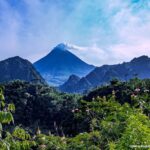
Rising 4,095 metres above sea level, Mount Kinabalu is Malaysia’s highest mountain and the centrepiece of Kinabalu National Park was Malaysia’s first UNESCO World Heritage Site (Year 2000). Even for travellers with no intention of climbing to the summit, the surrounding highlands offer spectacular scenery that easily justifies a full-day excursion from Kota Kinabalu.
The journey itself is part of the experience. Leaving the coast behind, the road gradually climbs through forested hills before opening into rolling farmland with panoramic views of the Crocker Range. As temperatures begin to drop, the tropical humidity gives way to refreshingly cool mountain air.
The first major stop is Kundasang, often described as Sabah’s little highland town. Sitting at around 1,900 metres above sea level, Kundasang enjoys a climate unlike anywhere else in Malaysia. On some mornings, temperatures can fall to around 10°C, making a light jacket surprisingly useful.
The region is famous for its vegetable farms, flower nurseries and breathtaking views of Mount Kinabalu whenever weather conditions permit.
One of Kundasang’s most visited attractions is the Desa Dairy Farm, affectionately nicknamed “Malaysia’s Little New Zealand.” Rolling green pastures, grazing dairy cattle and dramatic mountain backdrops make it one of Sabah’s most photographed locations.
History enthusiasts should also visit the Kundasang War Memorial, which commemorates the Australian and British prisoners of war who perished during the tragic Sandakan Death Marches in the Second World War. Beautifully maintained gardens provide a peaceful setting for reflection.
A little farther lies the town of Ranau, where visitors can explore local markets, sample fresh produce or simply enjoy the slower pace of life that characterises Sabah’s interior.
One attraction that continues to surprise many visitors is Poring Hot Springs, located within Kinabalu National Park. Despite its name, the area offers much more than geothermal pools.

The naturally heated mineral springs provide a welcome opportunity to relax after a day of sightseeing, while the famous Canopy Walkway carries visitors high above the rainforest floor, offering a completely different perspective of Borneo’s ancient jungle.
Stretching approximately 175 metres and suspended around 30 metres above the forest, the walkway provides excellent opportunities to observe birds, butterflies and towering rainforest trees from the canopy itself.
Nature lovers may also enjoy the Butterfly Garden or take the relatively short jungle trail leading to Kipungit Waterfall, where cool mountain waters provide a refreshing break from Sabah’s tropical climate.
Planning a Mount Kinabalu Climb
Many first-time visitors assume they can simply arrive and begin climbing Mount Kinabalu. Unfortunately, that is no longer possible.
Climbing permits are strictly limited to around 150-163 climbers per day, and demand remains extremely high throughout the year. Permits must usually be reserved months in advance through Sabah Parks or authorised tour operators.
The standard summit climb requires a minimum two-day, one-night itinerary, with an overnight stay at mountain accommodation before the early morning ascent to Low’s Peak. Casual day climbs to the summit are not permitted.
Even if you don’t intend to climb, Kinabalu National Park remains one of Malaysia’s finest destinations for short nature walks, botanical exploration and mountain photography.
The best months to visit are generally March to September, when rainfall is lower and mountain conditions are more favourable. Weather in the highlands can still change rapidly, however, so carrying a light rain jacket is always advisable.
Days 5-7: Relaxing at Shangri-La Rasa Ria Resort
After several days of sightseeing and adventure, there is no better way to end your Sabah journey than slowing down along one of Borneo’s most beautiful coastlines.
During my years in Malaysia, I stayed at several excellent hotels in Kota Kinabalu for both business and family holidays. While city hotels such as Le Méridien and Hyatt Regency were convenient during official visits, our family repeatedly returned to Shangri-La Rasa Ria Resort—and for good reason.
Located about 45 minutes north of Kota Kinabalu in Tuaran, the resort feels wonderfully secluded. A three-kilometre stretch of golden sand meets the South China Sea, while dense tropical rainforest rises behind the property, creating an atmosphere that feels worlds away from city life.
Unlike many luxury resorts that rely solely on lavish facilities, Rasa Ria succeeds because it integrates nature into the guest experience.
The resort’s Nature Reserve and Eco Centre remain one of its greatest attractions. Although the well-known Orangutan Rehabilitation Programme ended in 2016, visitors should not arrive expecting to see orangutans here today. Instead, guided walks through the reserve offer opportunities to observe Sabah’s native wildlife, including long-tailed macaques, hornbills, colourful tropical birds and numerous rainforest species while learning about local conservation efforts.
The experience feels authentic rather than staged and reflects the resort’s ongoing commitment to environmental education.
Beyond wildlife, guests can enjoy kayaking, paddle-boarding, horse riding, cycling, golf, nature walks, cultural performances and one of the most peaceful beaches anywhere around Kota Kinabalu.
Perhaps my favourite memory, however, isn’t a particular activity.
It is simply sitting quietly along the beach during sunset as the South China Sea gradually changes colour, listening to little more than the sound of gentle waves. After several busy days exploring Sabah, those peaceful evenings remain among my strongest memories of every visit.
Planning Your Trip and Making the Most of Sabah
Where to Stay in Kota Kinabalu
One of Kota Kinabalu’s biggest advantages is the variety of accommodation available. Whether you’re travelling on a backpacker’s budget, planning a family holiday or looking for a luxury beachfront escape, you’ll find options to suit every style of travel.
Luxury Resorts
If your priority is relaxation, spacious beaches and world-class facilities, two resorts consistently rank among Sabah’s finest.
Shangri-La Rasa Ria Resort is ideal for travellers seeking a tranquil nature retreat. Located about 45 minutes north of the city, it combines a beautiful private beach with rainforest experiences, making it especially suitable for couples and families planning a longer stay.
Shangri-La Tanjung Aru Resort & Spa, on the other hand, offers luxury much closer to the city centre. Situated only minutes from Kota Kinabalu International Airport, it is famous for its award-winning sunsets, private marina and easy access to the city’s restaurants, nightlife and ferry terminal. If you prefer combining sightseeing with a resort experience, this is an excellent choice.
Other premium resorts include The Magellan Sutera Resort, The Pacific Sutera Hotel, and Nexus Resort & Spa Karambunai, each offering excellent beachfront facilities.

City Hotels
For business travellers or visitors who plan to spend most of their time exploring Kota Kinabalu, staying in the city centre is more practical.
International hotel brands such as Le Méridien, Hyatt Regency, Marriott, Hilton, Mercure and Holiday Inn provide comfortable accommodation within walking distance of the Waterfront, Gaya Street and the Filipino Market.
During my official visits to Sabah, these city hotels were always convenient because they reduced travel time and made evening walks around the Waterfront effortless.
Budget Accommodation
Backpackers and independent travellers will find numerous boutique hotels, guesthouses and hostels around Gaya Street, Australia Place and the city centre. These provide affordable accommodation without sacrificing easy access to restaurants, public transport and major attractions.
How to Reach Kota Kinabalu
The main gateway to Sabah is Kota Kinabalu International Airport (BKI), Malaysia’s second-busiest airport after Kuala Lumpur.
Direct flights connect Kota Kinabalu with major destinations across Malaysia, Singapore, Brunei, South Korea, Japan, China and several Southeast Asian cities. Domestic connections from Kuala Lumpur, Johor Bahru, Penang and Kuching are frequent and competitively priced.
For most international visitors, flying remains by far the easiest option. Although ferry services operate between Kota Kinabalu and Labuan Island, they have limited relevance for international tourists.
Travelling overland across Borneo is possible within Malaysian territory, with buses linking Kota Kinabalu to many parts of Sabah and sections of Sarawak. However, crossing into Indonesian Kalimantan by road remains impractical for most travellers due to limited infrastructure and border logistics.
If travelling between Sarawak and Sabah, flying is generally quicker and far more convenient than driving through Brunei, which involves multiple immigration checkpoints.
Within Kota Kinabalu itself, the Grab app is by far the most convenient way to get around. It is inexpensive, reliable and widely used by both residents and visitors. While taxis remain available, Grab generally offers more transparent pricing and shorter waiting times.
Visa Information
Malaysia has significantly simplified entry procedures for many international visitors in recent years.
As of 2026:
- Indian nationals can enjoy visa-free entry for up to 30 days until 31 December 2026, subject to meeting Malaysian immigration requirements.
- Chinese nationals also benefit from an extended visa exemption under Malaysia’s current policy. As visa regulations may change, travellers should confirm the latest eligibility and permitted duration before departure.
- Citizens of many ASEAN countries continue to enjoy visa-free access under existing regional arrangements.
- Travellers from other countries should check whether they require an eVisa or a standard tourist visa before travelling.
One important point often overlooked is that Sabah and Sarawak maintain their own immigration controls despite being part of Malaysia. Even travellers arriving from Peninsular Malaysia will undergo immigration checks when entering Sabah. This is entirely normal and should not cause concern.
Before travelling, always verify the latest entry requirements through the Malaysian Immigration Department, as visa policies can change.
Best Time to Visit
Sabah enjoys a tropical climate throughout the year, making it a destination that can be visited in every season.
However, the best period is generally from March to September, when rainfall is comparatively lower, sea conditions are calmer and outdoor activities such as island hopping, diving and hiking are more enjoyable.
The wetter months between October and February shouldn’t discourage visitors entirely. Rain showers are often brief, and many attractions remain open. The region’s nickname “The Land Below the Wind,” reflects its location south of the main typhoon belt, meaning Sabah is largely protected from the severe tropical cyclones that affect other parts of East Asia.
Nevertheless, weather conditions should always be checked before island excursions or mountain activities, as tropical conditions can change quickly.
Practical Travel Tips
A few practical considerations can make your journey considerably smoother.
The local currency is the Malaysian Ringgit (RM). International credit and debit cards are widely accepted in shopping malls, supermarkets, hotels and most restaurants. However, smaller markets and independent vendors often prefer cash, particularly at the Gaya Street Sunday Market and the Filipino Market.
The Grab app is almost indispensable for visitors. Beyond transport, it can also be used for food delivery and everyday essentials, often at lower prices than traditional taxi services.
The climate in Kota Kinabalu remains warm throughout the year, with average daytime temperatures around 32°C in the coastal lowlands. Highland destinations such as Kundasang and Ranau are considerably cooler, averaging around 21°C, while temperatures near the summit of Mount Kinabalu can approach freezing during the early morning.
Pack lightweight clothing for the coast but include a light jacket if you plan to visit the highlands.
Mosquito repellent is highly recommended, particularly if you’re visiting mangroves, rainforest trails or spending evenings outdoors. Reef-safe sunscreen, comfortable walking shoes and a reusable water bottle are equally worthwhile additions to your luggage.
When visiting mosques or traditional villages, dress modestly and remove your shoes before entering places of worship or private homes, as a sign of respect for local customs.

Final Thoughts
Kota Kinabalu has often lived in the shadow of more famous Southeast Asian destinations such as Bali, Phuket and Langkawi. Yet that is precisely what makes it so rewarding.
Here, you’ll find world-class diving and snorkelling without overwhelming crowds, mountain scenery that rivals some of Asia’s finest landscapes, indigenous cultures that continue to thrive, and sunsets that rank among the most spectacular anywhere along the South China Sea.
What impressed me most during my years in Malaysia wasn’t a single attraction but the remarkable diversity packed into one relatively compact destination. Few places allow you to browse vibrant street markets in the morning, snorkel above colourful coral reefs by afternoon, watch thousands of fireflies illuminate mangrove forests after sunset, and stand beneath Southeast Asia’s highest granite peak the very next day.
Whether you’re a nature lover, photographer, adventure enthusiast, family traveller or someone simply looking for a slower pace of life, Kota Kinabalu offers experiences that stay with you long after you’ve returned home.
After visiting Sabah several times over nearly a decade, I still consider Kota Kinabalu one of Southeast Asia’s most underrated destinations. If you’re planning your first journey to Malaysian Borneo, there’s no better place to begin.