Software Reigns Supreme: Inside Apple’s AI-Driven WWDC 2026
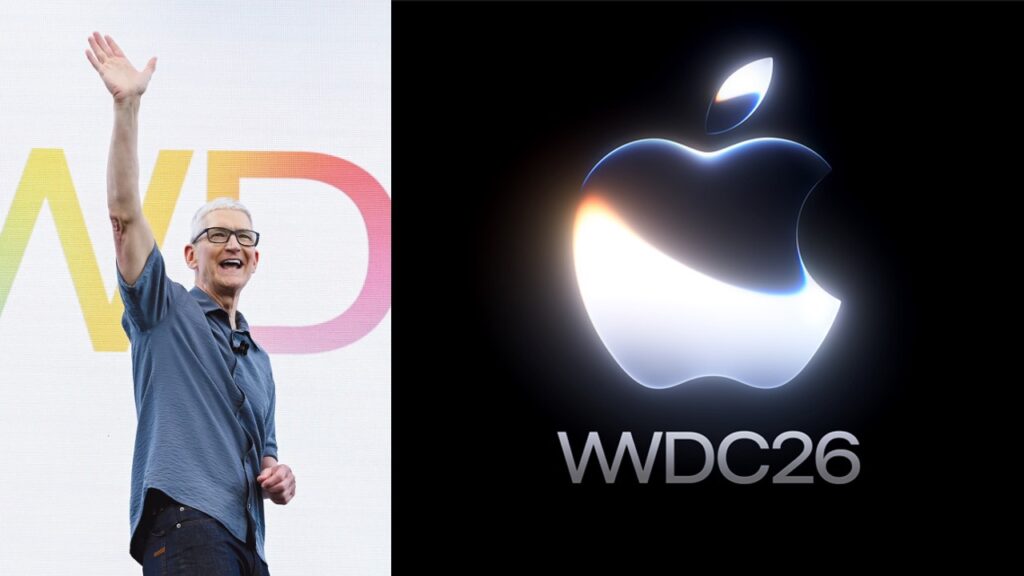
9 June 2026, The curtain has officially gone up on Apple’s highly anticipated Worldwide Developers Conference, but the biggest headline coming out of Cupertino is as much about what was absent from the stage as what was present. In a notable departure from years that teased sleek new MacBooks or pioneering mixed reality headsets, this iteration of the keynote was a purely software focused event. Apple did not launch any new hardware or updated devices during the WWDC 2026 keynote. Instead, the tech giant chose to keep the spotlight entirely on silicon optimisation and next-generation operating systems, sending a clear message that the company’s immediate future is being written in code rather than consumer electronics.
Shifting Focus to Silicon Optimisation
For users eager to swipe their credit cards for a new Mac Studio or a refreshed iPad, patience will be required until Apple’s traditional autumn hardware window. This intentional omission allowed the keynote to focus entirely on software architecture, showing exactly how Apple’s current M-series and A-series chips will handle the heavy computational lifting required for its newest ecosystem updates. Rather than diluting the message with physical product reveals, the tech giant bet everything on its digital framework.
When the presentation did pivot to that software, the stakes could not have been higher. Apple’s WWDC 2026 keynote delivered the tech giant’s most significant leap into artificial intelligence to date. Under the leadership of outgoing CEO Tim Cook, marking his final WWDC keynote before handing the reins to John Ternus in September, Apple unveiled Siri AI, next generation Apple Intelligence, iOS 27, and macOS 27 Golden Gate. The updates prioritise context-aware automation, agentic multi-app actions, and privacy centric data parsing, fundamentally changing how users interact with their daily devices.
The Siri AI Metamorphosis
At the very centre of this digital shift is the comprehensive metamorphosis of Apple’s voice assistant, which has been rebuilt from the ground up and rebranded as Siri AI to firmly position Apple in the consumer AI race. Siri AI now moves beyond a simple voice overlay to become a dedicated standalone app available across iOS, iPadOS, and macOS. This new interface allows users to track, review, and continue past conversation histories that are privately synced through iCloud.
Furthermore, the assistant gains advanced agentic screen awareness, meaning it can understand active on-screen content in real time. Users can issue direct commands like instructing the assistant to interact with specific folders or analyse the context of an open image. This is complemented by a new visual intelligence capability called Siri Mode, which is integrated directly into the native Camera app. By simply aiming the viewfinder, users can identify real world objects, calculate bill splits, translate text, and extract nutritional data instantly. Under the hood, this entire system is driven by upgraded Apple Intelligence models running alongside an integrated Google Gemini infrastructure.
iOS 27 Core Software Upgrades
The iPhone experience receives its own substantial foundation upgrade with iOS 27, an operating system concentrating heavily on performance gains, interface customisation, and accessibility. Visually, Apple is introducing Liquid Glass adjustments, featuring a granular opacity slider that gives users total control over transparency settings across the entire user interface.
The Dynamic Island has also evolved into a primary anchor for the new intelligence system; Siri AI can now be summoned via a simple swipe down from the island, processing and displaying its responses directly inside that interface element. Beneath these visual tweaks lie massive system architecture improvements. System optimisation yields apps that launch up to thirty percent faster, while photo libraries are indexed up to seventy percent faster. In a move that will please long-term users, Apple confirmed that iOS 27 maintains backward compatibility reaching all the way back to the iPhone 11 and newer models.
macOS 27 Golden Gate and Desktop Automation
Desktop computing users were not left behind, as macOS 27 Golden Gate arrived with custom automation overhauls tailored specifically toward local file management and productivity. Siri AI is now baked directly into the Spotlight menu search bar, allowing users to query the assistant for deep context answers across their local documents and tag specific physical files for instant processing. The operating system complements this power with a few visual refinements, reintroducing colourful sidebar icons and implementing tighter window corner radiuses for crisp, modern display layouts.
Ecosystem and Platform AI Additions
This systemic intelligence ripples across the rest of the Apple ecosystem with several platform additions. The Safari web browser introduces Safari AI Management, which implements natural language generation to automatically organise dozens of cluttered browser tabs by topic. It also adds a Notify Me feature to track webpage price drops and can even generate customised browser extensions based purely on voice descriptions.
For the smart home, Apple Home 4K upgrades security camera feeds with AI generated video clip summaries, multi-camera footage stitching, and natural language video timeline searches. Additionally, next generation parental controls give families a revamped toolset, allowing parents utilising child accounts to gate specific site domains, mandate strict permissions for specific app categories, and monitor it all through a completely redesigned, visual Screen Time menu.
Regulatory Obstacles and Market Notes
Despite the technical triumphs on display, the event concluded with important regulatory and market notes. Apple officially confirmed that due to complex regulatory compliance frameworks, Apple Intelligence and Siri AI will not be launched in the European Union or China during the initial rollout phase. This geographical limitation weighed on the financial sector; Wall Street reacted conservatively to the event, with Apple shares closing down roughly two percent post-presentation as investors digest the real-world utility and global reach of the upgraded assistant.